What is climate data in public procurement?
Climate data describes greenhouse gas emissions from, for example, an organisation, product, service or delivery. In public procurement, this information can be used to answer climate-related questions and show how a calculation was performed.
For the supplier, the work involves matching the right data to the right question. For the buyer, it involves understanding what the information covers and whether different responses can be compared. An emissions value without information about boundaries, data sources and methodology is difficult to assess.
This guide focuses on practical data work. Always refer to the relevant procurement documents when deciding what information to provide.
Start by understanding what is requested
Read the climate-related questions before starting the calculation. Does the question concern the entire company, a particular product or the service to be delivered? Does it concern historical emissions, estimated emissions for the delivery or planned reductions?
Break the task down into an internal checklist:
- Calculation subject: What should the climate calculation describe?
- Boundaries: Which activities and parts of the supply chain are included?
- Period: What time period does the information cover?
- Unit: Should emissions be stated as a total or per unit delivered?
- Method: Is a particular calculation approach or format requested?
- Supporting information: Which data sources and explanations need to be attached?
If the wording is unclear, use the procurement process's question facility. Document the answer so that sustainability, finance and the bid manager work from the same interpretation.
What climate data needs to be collected?
The supporting data depends on what is being purchased. For a transport service, fuel, distances travelled and transport activity performed may be relevant. For goods, materials, manufacturing and distribution may need to be described. For a service, energy, travel and purchased resources may be included, depending on the boundaries.
Common internal sources include invoices, accounting systems and ERP, energy data, travel records and supplier information. Supplement financial transactions with physical quantities where possible, such as energy consumption or material weight.
Also retain information about where each data item comes from, which period it covers and who is responsible for it. This makes it easier to answer follow-up questions and reuse the supporting data in the next bid.
Activity data and spend data serve different purposes
Activity-based climate calculations start with a physical activity or quantity that is linked to a relevant emission factor. Spend-based calculations start with purchase amounts and emission factors for economic categories.
Spend data can provide a broad picture when more detailed information is unavailable. At the same time, the data is affected by prices and how purchases are classified. Activity data can provide a closer link to what is actually delivered, but it also needs to be reviewed for relevance and quality.
A hybrid method combines these data types. This makes it possible to start with available data and then improve particularly important items. Be clear about which parts rely on each method. Do not present a rough estimate as a detailed product calculation.
Distinguish the company's emissions from the contract's climate impact
A greenhouse gas inventory for the entire organisation does not automatically answer a question about an individual delivery. Company-wide climate calculations and contract-specific calculations have different boundaries.
If shared emissions are allocated to a contract, the allocation principle needs to be described. State which activities are allocated, what supporting data is used and why the allocation is relevant. Also check that the same emissions are not counted more than once.
A well-prepared greenhouse gas inventory can provide useful baseline data. The supporting data still needs to be adapted to the question in the bid. The same applies to the supply chain: data for a supplier's entire operations is not necessarily representative of the goods you purchase.
Make climate data comparable and traceable
Two emissions values cannot be meaningfully compared simply because they are expressed in the same unit. They may cover different activities, periods or parts of the life cycle.
If you are drafting questions about climate data, it is therefore valuable to clearly describe the calculation subject, boundaries and desired supporting information. If you are responding, it is equally important to disclose any deviations.
Clear calculation documentation includes:
- Results and units.
- Data sources and time period.
- Included and excluded activities.
- Calculation method and emission factors used.
- Assumptions, data gaps and uncertainties.
- Responsible person and version date.
Traceability means that a data item can be traced back to its source and understood. It is not the same as having the calculation reviewed by an independent party.
How to organise the work ahead of a bid
Have the bid manager compile the questions and delivery deadlines. Finance can contribute transactions and invoices, procurement can provide supplier contacts, and the sustainability lead can contribute methodology and quality control.
Then collect the supporting data, document gaps and prioritise additional information that matters to the response. Check classifications, units, periods and boundaries before entering the results in the bid.
Finally, carry out a separate check against the procurement question: Have you answered the right question? Are the requested attachments included? Are the assumptions visible? Save the submitted version together with the calculation documentation so that later changes are not confused with the bid response.
How CO2check supports the work
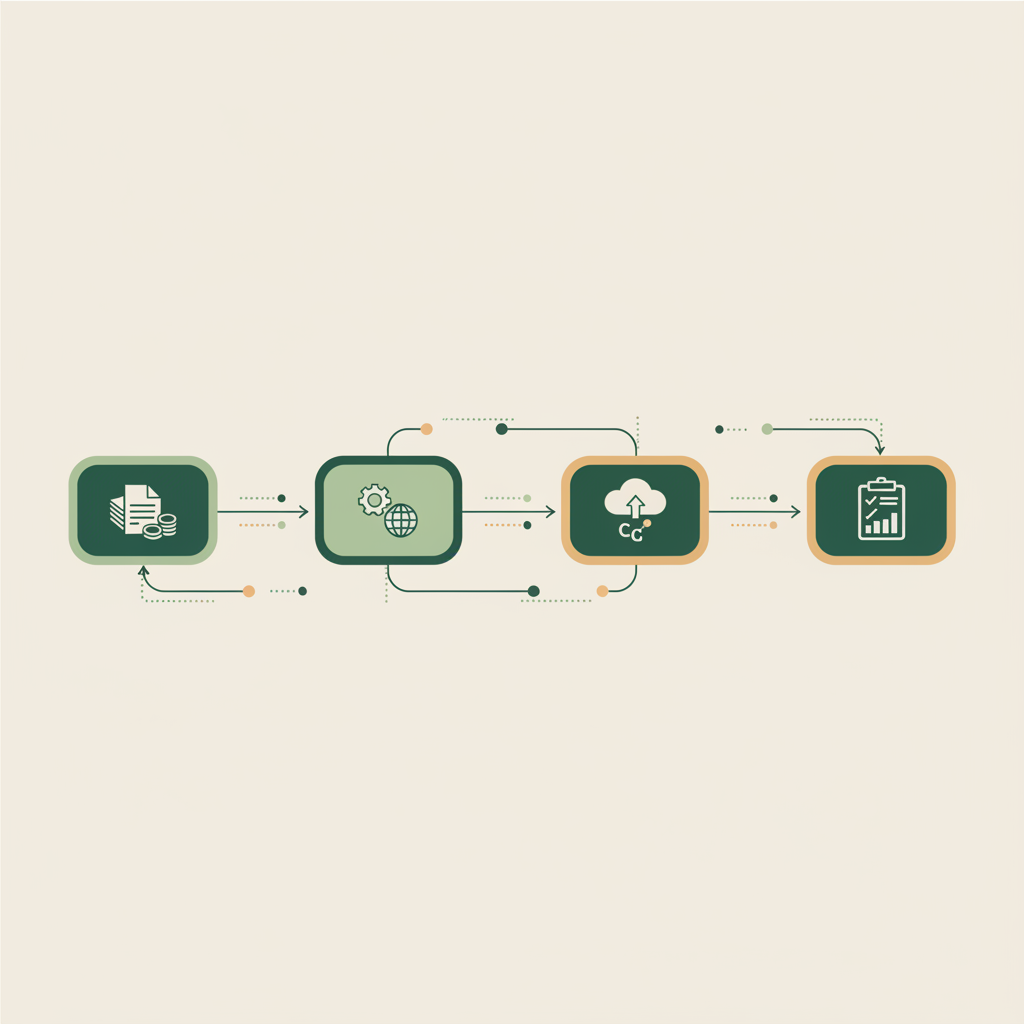
CO2check automates data collection from invoices, ERP, energy, travel and suppliers. AI classification of transactions is combined with a hybrid method that uses both activity data and spend data.
The methodology is based on GHG Protocol and EXIOBASE. SBTi is used for reduction targets. Keep calculated emissions separate from future targets: a target indicates a direction, not a result already achieved.
For procurement, work on supply chain emissions can provide supporting data for prioritising supplier discussions. For sales and bids, the next step is to connect climate calculations to the questions actually being asked. Read more about climate-related supporting information in procurement.
A good bid therefore does not start with a persuasive climate statement. It starts with relevant data, clear boundaries and supporting information that can be explained.